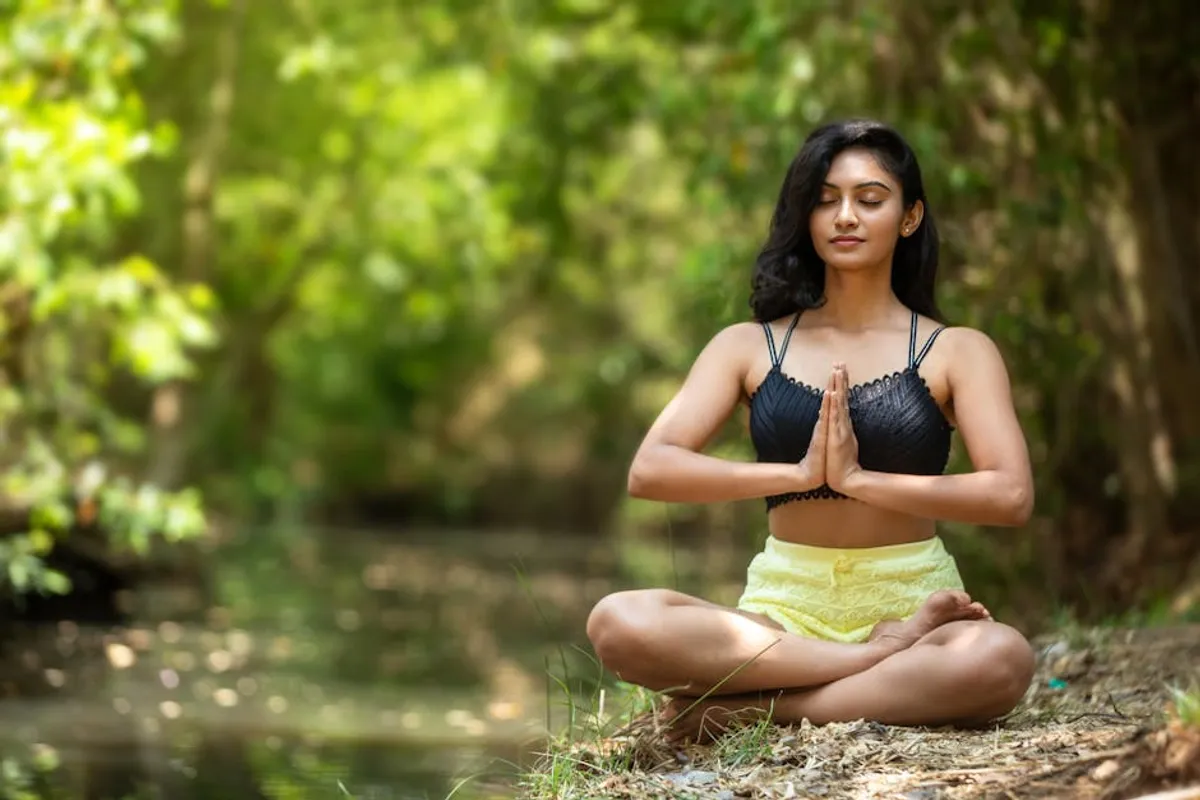
Beginning a meditation and relaxation practice can feel like navigating a new landscape. The initial decision often revolves around whether these practices genuinely offer tangible benefits for stress reduction, improved focus, or emotional regulation, and if they are accessible without extensive training or a specific belief system. Many beginners question the time commitment, the effectiveness of simple techniques, and how to integrate such practices into a busy schedule. This guide addresses these core concerns, focusing on practical, actionable steps to establish a sustainable personal practice.
Understanding Meditation and Relaxation Fundamentals
Meditation is not about emptying the mind, but rather about focusing attention and cultivating awareness. It's a practice of training the mind, similar to how physical exercise trains the body. Relaxation, while often a byproduct of meditation, can also be achieved through specific techniques designed to calm the nervous system directly. The key distinction for beginners is that neither requires advanced spiritual understanding or rigid postures; they are skills developed through consistent, gentle effort.
What Meditation Is Not
- Not about stopping thoughts: The mind naturally thinks. Meditation teaches you to observe thoughts without judgment, rather than trying to suppress them.
- Not a quick fix: While immediate calm can occur, profound benefits accumulate over time with regular practice.
- Not exclusive to any religion: While many traditions incorporate meditation, the techniques themselves are secular and universally applicable.
- Not always "peaceful": Beginners often experience restlessness or frustration. These are normal parts of the process, offering opportunities to practice patience and non-reactivity.
Core Techniques for Cultivating Calm
Starting with accessible methods helps build confidence and consistency. These techniques require minimal preparation and can be practiced almost anywhere.
Focused Breath Awareness
This is the cornerstone of many meditation practices. The breath is always present, providing a constant anchor for attention. The goal is not to control the breath, but to observe its natural rhythm.
How to practice:
- Find a comfortable position, seated or lying down.
- Gently close your eyes or soften your gaze.
- Bring your attention to the sensation of your breath. Notice the air entering and leaving your nostrils, the rise and fall of your abdomen or chest.
- When your mind wanders (which it will), gently acknowledge the thought and redirect your attention back to the breath, without judgment.
- Start with 5-10 minutes daily, gradually increasing as comfortable.
Benefit: Directly engages the parasympathetic nervous system, promoting physiological relaxation and mental clarity by grounding attention in the present moment.
Body Scan Meditation
A body scan involves systematically bringing awareness to different parts of the body, noticing sensations without trying to change them. This technique enhances interoceptive awareness and can be particularly effective for physical tension release.
How to practice:
- Lie down comfortably on your back, or sit upright if preferred.
- Begin by bringing attention to your toes. Notice any sensations: warmth, coolness, tingling, pressure, or absence of sensation.
- Slowly move your awareness up through your feet, ankles, calves, knees, thighs, hips, and so on, until you've scanned your entire body, including your face and head.
- Pause at any areas of tension, breathing into them without forcing relaxation.
- Conclude by resting in awareness of your whole body.
Benefit: Reduces physical tension, improves body awareness, and can aid in falling asleep by disengaging from mental chatter and focusing on present physical experience.
Pro Tip: Consistency trumps duration. Practicing for 5-10 minutes daily is more effective than an hour once a week. Establish a specific time each day, even if it's brief, to build a habit.
Establishing Your Practice Environment
While meditation can be done anywhere, creating a conducive environment can support a beginner's consistency and focus.
Considerations:
- Quiet Space: Choose a location with minimal distractions. This doesn't need to be perfectly silent, but a place where you won't be interrupted.
- Comfortable Seating: A cushion, chair, or mat that allows you to maintain an alert yet relaxed posture. The goal is comfort without drowsiness.
- Time of Day: Experiment to find when you are most alert and least likely to be disturbed. Many find mornings beneficial for setting a positive tone for the day, or evenings for unwinding.
- Minimal Stimuli: Dim lighting, a clear surface, and putting away electronic devices can signal to your mind that it's time to focus inward.
Navigating Common Beginner Challenges
Expect challenges; they are part of the learning process. Recognizing them helps you respond constructively.
- Restlessness: The mind is accustomed to constant stimulation. Acknowledge the feeling without engaging with it, and gently return to your anchor (e.g., breath).
- Self-Judgment: Thoughts like "I'm doing this wrong" or "My mind is too busy" are common. Treat them with kindness. There is no "right" or "wrong" way to have thoughts during meditation.
- Impatience: Desiring immediate results can lead to frustration. Trust the process; the benefits unfold gradually. Focus on the act of practicing, not the outcome.
- Drowsiness: If you find yourself falling asleep, try meditating in a more upright posture, or open your eyes slightly with a soft gaze. Ensure you are adequately rested outside of your practice.
Practical Steps for Starting Your Journey
Embarking on a meditation and relaxation practice is a personal journey that yields cumulative benefits. Start small, maintain an attitude of curiosity, and be patient with yourself. The objective is not perfection, but consistent engagement with the practice, allowing the mind to gradually settle and cultivate greater awareness. Regular, even brief, sessions build neural pathways that support calm and focus, making these states more accessible throughout your daily life.
Frequently Asked Questions
Q: How long should a beginner meditate?
A: Start with 5-10 minutes daily. Consistency is more important than duration. You can gradually increase the time as you become more comfortable.
Q: Do I need special equipment to meditate?
A: No. All you need is a quiet space and a comfortable position. Cushions or mats can enhance comfort but are not essential.
Q: What if my mind keeps wandering during meditation?
A: This is normal. The practice isn't about stopping thoughts but about noticing when your mind wanders and gently bringing your attention back to your chosen anchor, like your breath, without judgment.
Q: Can meditation help with sleep?
A: Yes, many find that regular meditation, especially body scan or breath awareness practices before bed, can calm the nervous system and prepare the mind for sleep.