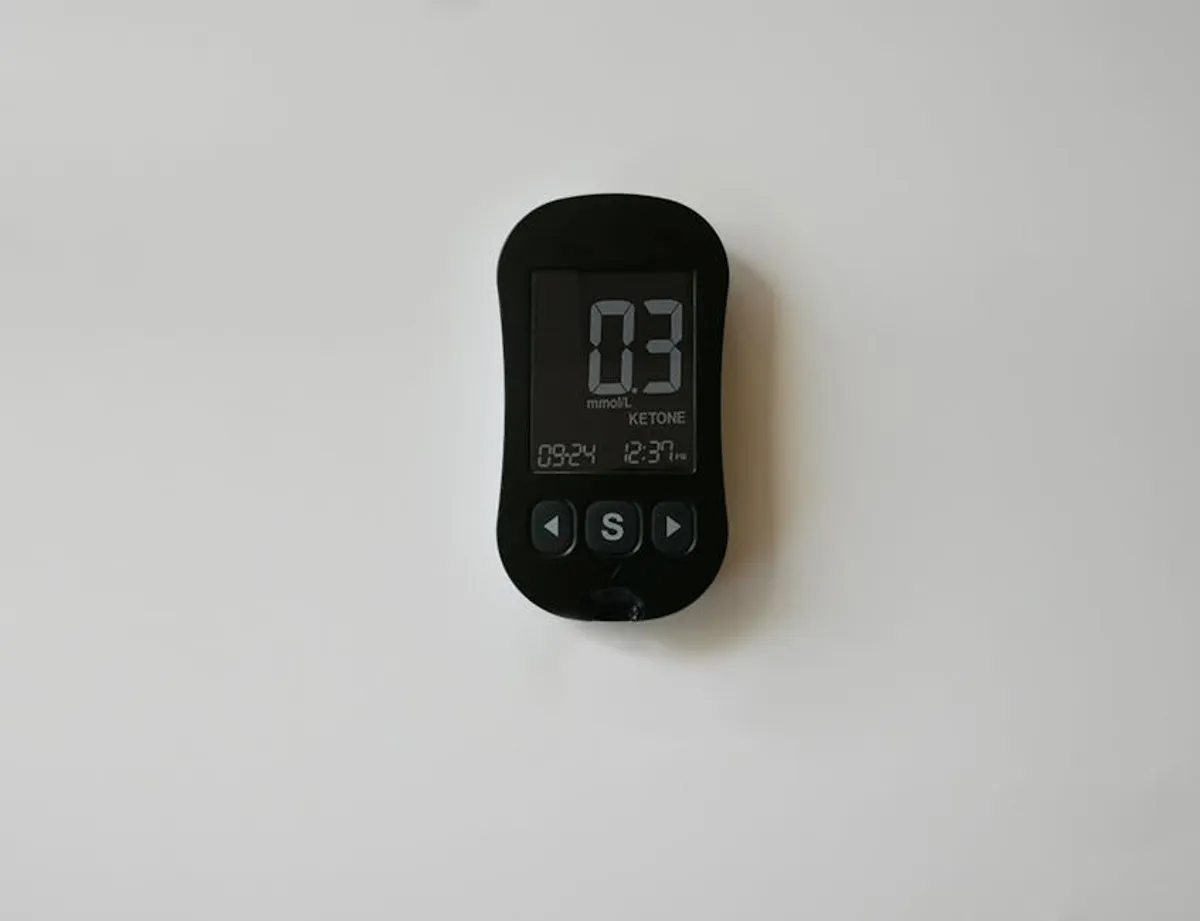
Adopting a ketogenic diet involves a significant shift in metabolic function, moving the body from primarily burning carbohydrates for fuel to utilizing fat. While effective for weight management and other health objectives, this dietary change profoundly impacts the body's electrolyte balance. The initial phase of a ketogenic diet often leads to increased water and mineral excretion, primarily due to reduced carbohydrate intake and the associated decrease in insulin levels. This physiological response can result in a rapid depletion of essential electrolytes, leading to discomfort and hindering adherence to the diet. Understanding and proactively managing these mineral levels is not merely about comfort; it is foundational to sustaining a ketogenic lifestyle without experiencing common adverse effects.
The Keto-Electrolyte Connection
The core mechanism linking a ketogenic diet to electrolyte shifts lies in carbohydrate restriction. When carbohydrate intake drops significantly, insulin levels decrease. Lower insulin levels signal the kidneys to excrete more sodium. As sodium leaves the body, water follows, leading to increased urination. This diuresis, often termed the "keto flu," flushes out not just sodium and water, but also other vital electrolytes like potassium and magnesium, which are intrinsically linked in the body's fluid balance systems.
Understanding Electrolyte Depletion
The rapid loss of water during the initial phase of ketosis is a primary driver of electrolyte imbalance. Beyond the direct loss of sodium through renal excretion, the increased urinary output also accelerates the removal of other minerals. This creates a cascade effect: as sodium levels drop, the body's mechanisms for retaining potassium and magnesium can also be compromised. The magnitude of this depletion varies among individuals based on factors such as starting hydration status, activity levels, and pre-existing health conditions, but it is a near-universal consideration for those initiating a ketogenic protocol.
Key Electrolytes for Keto Dieters
Three electrolytes demand particular attention for individuals following a ketogenic diet: sodium, potassium, and magnesium. Their roles are interconnected, influencing nerve function, muscle contractions, hydration, and energy production.
Sodium
Sodium is critical for maintaining fluid balance, nerve impulse transmission, and muscle function. On a ketogenic diet, the body's need for sodium increases significantly due to enhanced urinary excretion. Insufficient sodium intake is a primary contributor to "keto flu" symptoms such as headaches, fatigue, and dizziness.
Recommended daily intake on keto: 3,000-5,000 mg.
Dietary sources: Broth, table salt, sea salt, pickled foods, cured meats (in moderation), certain cheeses.
Potassium
Potassium works in conjunction with sodium to maintain cellular fluid balance and is essential for heart health, muscle contractions, and nerve signals. While general dietary guidelines often emphasize limiting sodium and increasing potassium, the ketogenic context necessitates adequate intake of both.
Recommended daily intake on keto: 1,000-3,500 mg, depending on individual needs and activity levels. Exceeding 4,700 mg without medical supervision is generally not advised.
Dietary sources: Avocados, spinach, mushrooms, salmon, beef, unsweetened cocoa, certain nuts (almonds, pecans).
Magnesium
Magnesium is involved in over 300 enzymatic reactions, including energy production, protein synthesis, and muscle and nerve function. Its deficiency can manifest as muscle cramps, restless legs, sleep disturbances, and irritability—symptoms often mistaken for other issues on a ketogenic diet.
Recommended daily intake on keto: 300-500 mg.
Dietary sources: Leafy greens (spinach, kale), pumpkin seeds, almonds, dark chocolate, avocados, fatty fish (mackerel, salmon).
Recognizing Electrolyte Imbalance Symptoms
Awareness of common symptoms associated with electrolyte imbalances allows for timely intervention. These signs are often the body's direct communication about insufficient mineral levels. Common indicators include:
- Headaches and brain fog
- Fatigue and low energy levels
- Muscle cramps or spasms
- Dizziness, especially upon standing
- Heart palpitations
- Constipation
- Irritability or anxiety
These symptoms can range from mild discomfort to more severe issues, underscoring the importance of proactive management.
Practical Strategies for Electrolyte Management
Effective electrolyte management on a ketogenic diet involves a multi-faceted approach, combining dietary choices, strategic supplementation, and consistent hydration.
Dietary Sources
Prioritizing whole, nutrient-dense foods is the most sustainable strategy for electrolyte intake. Incorporate foods naturally rich in sodium, potassium, and magnesium into daily meals. This includes liberal use of salt in cooking, consuming potassium-rich low-carb vegetables, and integrating magnesium-dense seeds and nuts.
Supplementation Considerations
While food sources are foundational, supplementation can be a practical solution for meeting increased electrolyte demands, especially during the adaptation phase or for individuals with higher activity levels. Electrolyte supplements are available in various forms, including powders, capsules, and liquid drops. When selecting a supplement, focus on products that provide balanced ratios of sodium, potassium, and magnesium, and avoid those with added sugars or artificial ingredients. Always consider individual needs and consult a healthcare professional before starting any new supplement regimen.
Hydration Practices
Adequate water intake is inextricably linked to electrolyte balance. While increased urination on keto necessitates more fluid intake, simply drinking plain water without sufficient electrolytes can further dilute existing minerals, exacerbating deficiencies. Therefore, hydration should be viewed as a combination of water and dissolved electrolytes. Adding a pinch of sea salt to water, consuming bone broth, or using electrolyte-enhanced beverages can contribute to more effective hydration.
Pro Tip: When experiencing "keto flu" symptoms, a quick and effective remedy is often a cup of bone broth or a glass of water with half a teaspoon of sea salt. This immediate sodium boost can alleviate headaches and fatigue rapidly, providing a clear signal that electrolyte intake needs ongoing attention.
Sustaining Electrolyte Balance on Keto
Maintaining optimal electrolyte levels is not a one-time fix but an ongoing commitment crucial for long-term success and well-being on a ketogenic diet. Proactive monitoring, consistent dietary choices, and strategic supplementation where necessary will mitigate common side effects and support sustained metabolic adaptation. By prioritizing these essential minerals, individuals can navigate the ketogenic journey more comfortably and effectively, harnessing its potential benefits without compromising physiological function.
Frequently Asked Questions
How quickly do electrolyte levels drop on a keto diet?
Electrolyte levels can begin to drop within the first 24-72 hours of carbohydrate restriction, coinciding with the body's increased water excretion as glycogen stores are depleted.
Can I get all my electrolytes from food alone on a keto diet?
While possible for some, many individuals find it challenging to meet the increased demands for sodium, potassium, and magnesium solely through food, especially during the initial adaptation phase or with high activity levels. Supplementation is often a practical consideration.
Are there specific times I should focus on electrolyte intake?
It is beneficial to spread electrolyte intake throughout the day. Consuming electrolytes with meals, before and after exercise, and upon waking can help maintain stable levels and prevent sudden drops.
What happens if I ignore electrolyte imbalance on keto?
Ignoring electrolyte imbalance can lead to persistent "keto flu" symptoms, including severe headaches, muscle weakness, heart palpitations, and extreme fatigue, potentially hindering adherence to the diet and impacting overall health.