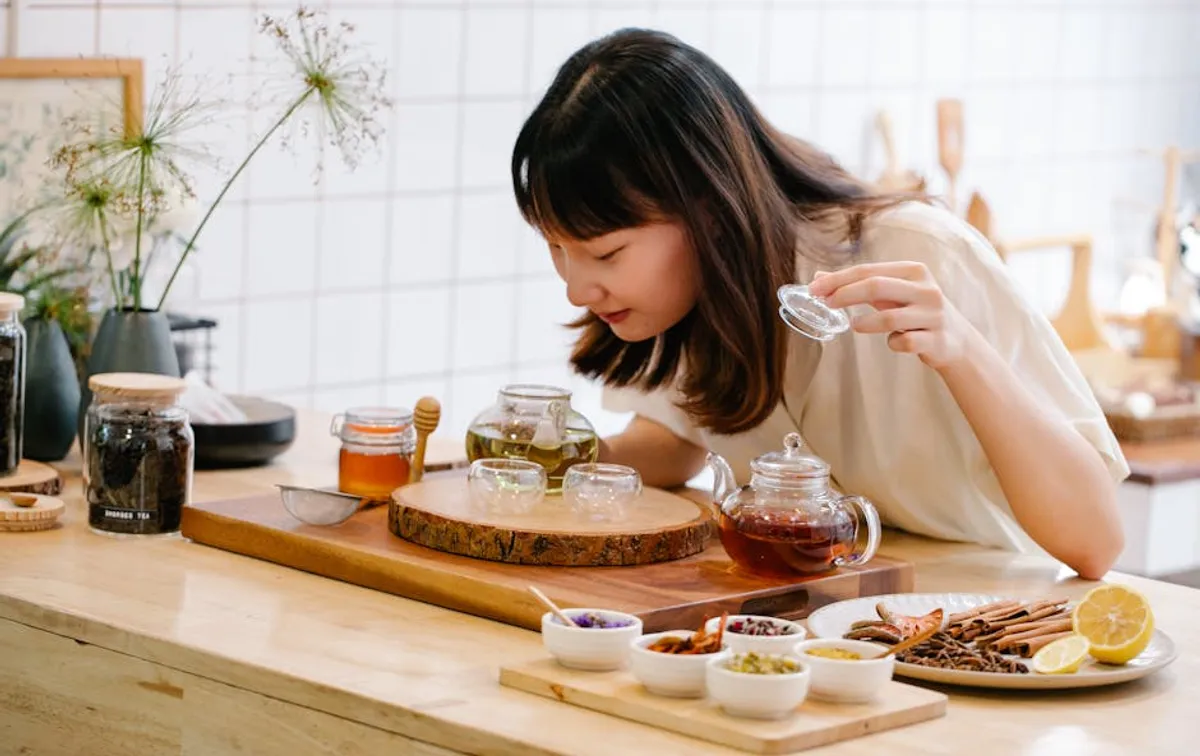
Businesses operating in the health, wellness, food & beverage, and lifestyle sectors increasingly recognize the commercial interplay between herbal tea, optimal hydration, and the broader consumer trend of everyday self-care. This convergence presents distinct opportunities for content creators, product developers, and marketers to engage specific audience segments. Understanding the motivations behind these consumer choices—from seeking specific physiological benefits to embracing mindful rituals—is crucial for developing relevant products and crafting compelling narratives that resonate with a health-conscious market. This convergence presents distinct opportunities for content creators, product developers, and marketers to engage specific audience segments with natural wellness tips.
The Market for Herbal Infusions
The herbal tea market extends far beyond simple flavor preferences, driven by consumers actively seeking functional benefits. This shift necessitates a nuanced approach to product positioning and content strategy, moving past generic descriptions to highlight specific ingredient properties.
Consumer Motivations: Wellness and Specific Benefits
Consumers are increasingly educated about the potential therapeutic properties of botanicals, leading them to select herbal teas for targeted outcomes. For example, chamomile is sought for its calming effects, peppermint for digestive support, and ginger for its anti-inflammatory properties. This demand translates into specific search queries and product categories, allowing brands to capture niche segments by focusing on benefits like "stress relief tea," "sleep aid blend," or "digestive comfort infusion." Content should align with these functional aspirations, providing detailed yet accessible information on how specific ingredients contribute to desired wellness goals.
Ingredient Focus: Popular Herbs and Their Applications
Identifying and leveraging popular herbal ingredients is key to market relevance. Chamomile (Matricaria chamomilla) and lavender (Lavandula angustifolia) appeal to consumers prioritizing relaxation and sleep. Peppermint (Mentha piperita) and ginger (Zingiber officinale) are frequently chosen for digestive wellness. Rooibos (Aspalathus linearis) offers a caffeine-free option rich in antioxidants, attracting those avoiding stimulants. For content, detailing the origin, preparation, and traditional uses of these herbs adds depth and authenticity, while for product development, these insights guide formulation towards specific consumer needs. Brands can differentiate by sourcing quality ingredients and transparently communicating their benefits.
Pro Tip: When marketing herbal teas, substantiate all health claims with credible sources or qualify them as traditional uses. Avoid making unsubstantiated medical claims, as this can lead to regulatory issues and erode consumer trust. Focus on the sensory experience, the ritual, and widely recognized botanical properties rather than definitive cures.
Hydration as a Foundational Wellness Trend
Hydration has evolved from a basic physiological need into a significant wellness trend, creating a fertile ground for product innovation and content exploration beyond plain water.
Diversifying Hydration Beyond Water
The market for hydration now includes a spectrum of beverages designed to enhance or diversify water intake. Herbal teas, infused waters, and functional beverages offer alternatives that provide flavor, nutrients, or specific benefits without the added sugars or artificial ingredients often found in traditional soft drinks. This diversification allows businesses to position herbal teas not just as warm beverages, but as integral components of a comprehensive hydration strategy. Content can explore recipes for iced herbal teas, herbal-infused sparkling water, or even highlight the electrolyte content of certain botanical blends, broadening their appeal to fitness and wellness enthusiasts.
Connecting Hydration to Performance and Well-being
Consumers increasingly link adequate hydration to improved cognitive function, sustained energy levels, physical performance, and overall well-being. This connection provides a powerful narrative for marketing herbal teas and related products. Content can explore topics such as "hydration for focus," "herbal teas for post-workout recovery," or "the role of hydration in mood regulation." By framing products within this context, businesses can tap into a broader set of consumer aspirations, moving beyond simple thirst-quenching to address holistic health goals.
Everyday Self-Care: A Holistic Approach
Self-care, once a niche concept, is now a mainstream pursuit, with consumers actively seeking ways to integrate mindful practices into their daily lives. Herbal tea and hydration products fit seamlessly into this trend.
Rituals and Routines: The Role of Herbal Tea
The act of preparing and consuming herbal tea can be positioned as a deliberate self-care ritual, offering a moment of pause and mindfulness in a busy day. This appeals to consumers looking for tangible ways to reduce stress and improve mental well-being. Content can focus on "morning tea rituals," "evening wind-down routines," or "mindful tea brewing guides," transforming a simple beverage into an experience. Product packaging and marketing can reinforce this by emphasizing sensory elements and the emotional benefits of taking time for oneself.
Content Strategies for Self-Care Products
Developing content around self-care requires a focus on experiential value and emotional connection. Businesses can create guides, articles, and social media campaigns that illustrate how herbal teas and hydration products support various self-care practices. Examples include:
- How to create a calming evening routine with lavender tea.
- The benefits of starting your day with a hydrating ginger-lemon infusion.
- Using peppermint tea for a mid-day mental reset.
- Incorporating herbal blends into meditation or journaling practices.
- Recipes for DIY self-care items that feature herbal ingredients.
These strategies help position products not just as commodities, but as tools for enhancing personal well-being.
Monetizing Wellness: Product Development and Content Marketing
Successfully navigating the herbal tea, hydration, and self-care market requires a strategic approach to product development and content marketing, focusing on niche identification and compelling narratives.
Identifying Niche Markets
The broad wellness market can be segmented into numerous niches, each offering specific commercial opportunities. For example, targeting busy professionals with stress-reducing blends, new parents with gentle caffeine-free options, or fitness enthusiasts with hydrating and recovery-focused infusions. Each niche requires tailored product formulations, specific messaging, and distribution channels. Researching consumer demographics and psychographics allows businesses to identify underserved segments and develop highly relevant offerings.
Crafting Engaging Narratives
In a crowded market, storytelling differentiates brands. Narratives should focus on the journey from plant to cup, the ethical sourcing of ingredients, the passion behind the blend, and the tangible impact on a consumer's daily life. Highlighting the "why" behind a product—why these ingredients were chosen, what benefits they offer, and how they fit into a self-care philosophy—builds a stronger connection with the audience than simply listing features. Visual content, testimonials, and behind-the-scenes glimpses can further enrich these narratives, fostering brand loyalty.
Building a Holistic Content Framework
To capitalize on the growing interest in herbal tea, hydration, and self-care, businesses should develop an integrated content framework. This involves creating educational content that addresses consumer queries about specific herbs, practical guides on incorporating hydration into daily life, and inspirational pieces that frame herbal tea consumption as a meaningful self-care ritual. Focus on providing value, building trust, and subtly guiding consumers toward product solutions that align with their wellness aspirations. By consistently delivering high-quality, relevant information, brands can establish themselves as authorities in the holistic health space, fostering both engagement and conversion.
Frequently Asked Questions
What are the key consumer trends driving interest in herbal teas?
Key trends include a heightened focus on functional wellness, a desire for natural and plant-based solutions, increased awareness of mental health and stress reduction, and the pursuit of mindful self-care rituals.
How can businesses differentiate hydration products beyond plain water?
Differentiation can be achieved through unique flavor profiles from natural botanicals, added functional benefits (e.g., electrolytes, adaptogens), appealing packaging, and positioning products as part of a holistic wellness or self-care routine.
What role does storytelling play in marketing self-care products?
Storytelling is crucial for self-care products as it builds emotional connection, explains the "why" behind the product, highlights the sensory experience, and helps consumers envision how the product integrates into their personal wellness journey.
Are there specific regulatory considerations for marketing herbal tea benefits?
Yes, businesses must be mindful of health claim regulations, which vary by region. It is essential to avoid making unsubstantiated medical claims and instead focus on traditional uses, widely recognized botanical properties, and the general wellness benefits of ingredients.