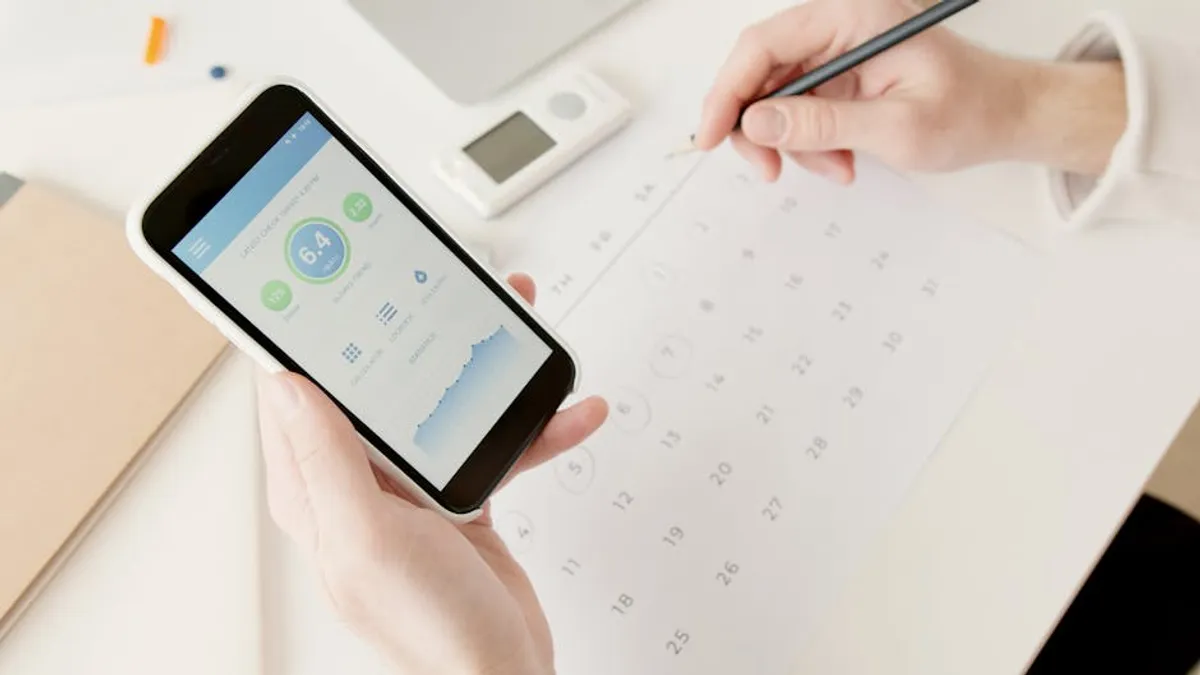
Tracking wellness goals offers valuable insights and motivation, but it often carries the risk of veering into obsessive behaviors. The challenge lies in leveraging data to inform progress and adjustments without allowing metrics to dictate self-worth or induce anxiety. A balanced approach focuses on sustainable habits and self-compassion, using tracking as a tool for understanding, not as a rigid judgment system. This guide outlines practical strategies to monitor your wellness journey effectively, maintaining perspective and preventing the pursuit of health from becoming a source of stress. This guide outlines practical strategies to monitor your wellness journey effectively, maintaining perspective and preventing the pursuit of health from becoming a source of stress, such as creating a wellness journal.
Define Your Purpose and Prioritize Non-Numerical Goals
Before selecting any tracking method, clarify the underlying "why" for each wellness goal. Is it to improve energy, manage stress, enhance sleep quality, or increase physical capacity? Understanding the core motivation helps frame tracking as a supportive process rather than a punitive one. Focus initially on qualitative improvements and process-oriented goals, as these are less prone to obsessive numerical comparisons.
- Examples of qualitative goals: Feeling more rested upon waking, experiencing sustained energy throughout the day, improved mood stability, reduced frequency of minor aches.
- Examples of process goals: Consistently eating a balanced breakfast, walking for 30 minutes four times a week, dedicating 15 minutes daily to a calming activity, preparing home-cooked meals five days a week.
These types of goals shift the focus from a specific number on a scale or a rigid time on a stopwatch to the consistent execution of beneficial habits. When the process becomes the priority, outcomes naturally follow, and the pressure to achieve immediate, measurable results diminishes.
Select Meaningful Metrics and Limit Their Quantity
The temptation to track every possible data point can quickly lead to overwhelm and obsession. Instead, identify a few key indicators directly aligned with your primary wellness objectives. Prioritize metrics that reflect progress in a way that feels empowering, not restrictive.
Focus on Process, Not Just Outcomes
While outcome metrics (e.g., weight, blood pressure, sleep duration) have their place, process metrics often provide more actionable insights and foster a sense of control. Tracking the *effort* invested can be more motivating than solely focusing on the *result* which can fluctuate due to many factors outside immediate control.
Best for: Building consistent habits and identifying areas for routine adjustment.
Identify Key Performance Indicators (KPIs) for Wellness
Choose 1-3 primary KPIs per wellness area. If your goal is better sleep, track "time in bed," "sleep quality rating (1-5)," and "energy level upon waking." Avoid tracking "calories burned" if your primary goal is stress reduction, as it's not directly relevant and can divert focus.
Pro Tip:
Regularly review your chosen metrics. If a specific metric consistently causes stress, anxiety, or an unhealthy fixation, consider replacing it with a more process-oriented or qualitative alternative, or dropping it entirely. Tracking should serve your well-being, not detract from it.
Choose Your Tracking Tools Wisely
The tool itself should facilitate tracking without adding complexity or encouraging constant interaction. Simplicity is key to sustainable tracking.
- Analog Journals: A physical notebook allows for free-form journaling, subjective observations, and a break from screens. It encourages reflection over raw data input.
- Simple Spreadsheets: For those who prefer digital, a basic spreadsheet (e.g., Google Sheets, Excel) can track specific metrics without the gamification or social pressure often found in apps.
- Minimalist Apps: If using an app, select one designed for simplicity and privacy, focusing on manual input of a few chosen metrics rather than continuous, passive data collection or social sharing features.
Consider: How much time does this tool require daily? Does it provide insights or just raw data? Does it encourage comparison with others or focus on personal progress?
Establish a Realistic Tracking Routine
Consistent, yet flexible, tracking prevents both neglect and obsession. Avoid daily weigh-ins or minute-by-minute activity logging unless specifically advised by a professional for a short-term intervention.
- Weekly Check-ins: Review progress weekly, not daily. This allows for natural fluctuations and reveals trends rather than isolated data points.
- Scheduled Reflection: Dedicate 10-15 minutes once a week to review your tracked data. Ask: What patterns emerge? What felt good this week? What challenges arose? What small adjustment could I make next week?
- Focus on Trends: A single "bad" day or week does not derail overall progress. Look for upward or downward trends over several weeks or months.
This routine cultivates a reflective mindset, transforming data into understanding rather than judgment.
Interpret Data Without Judgment
Data is neutral information. It tells a story, but it does not assign worth. When reviewing your tracking, approach the numbers and observations with curiosity and self-compassion, not criticism.
- Identify Triggers: If sleep quality dipped, consider what factors might have contributed: late-night screen time, caffeine intake, stress. Use this information to inform future choices, not to blame yourself.
- Celebrate Small Wins: Acknowledge consistent effort, even if the outcome isn't perfectly linear. Did you stick to your walking goal even when tired? That's a win.
- Avoid Comparing to Others: Your wellness journey is unique. Data from others' journeys, even if publicly available through apps, is irrelevant to your personal progress and can foster unhealthy competition.
The goal is to learn from your data, not to let it define you. This detachment is crucial for preventing obsession.
Cultivating a Sustainable Wellness Practice
Tracking wellness goals should reinforce positive behaviors and provide clarity, not add another layer of stress. By carefully selecting what, how, and when you track, and by approaching your data with a non-judgmental, reflective mindset, you transform a potentially obsessive activity into a powerful tool for self-awareness and sustainable growth. Remember that wellness is a dynamic state, not a static destination, and your tracking methods should reflect that flexibility.
Frequently Asked Questions
How often should I track my wellness goals?
For most wellness goals, weekly check-ins are sufficient to observe trends without becoming obsessive. Daily tracking can be useful for specific habits, but always combine it with weekly reflection.
What if I miss a day or week of tracking?
Missing a day or week is a normal part of life. Simply resume tracking when you can. The long-term trends matter more than perfect adherence to a tracking schedule.
Can tracking tools make me obsessive?
Yes, especially if they are overly gamified, focus heavily on numerical outcomes, or encourage social comparison. Choose tools that prioritize simplicity, privacy, and personal reflection over external validation.
How do I know if I'm becoming too obsessive about tracking?
Signs of obsession include feeling anxious if you miss tracking, constantly checking numbers, letting metrics dictate your mood, or comparing your data negatively to others. If tracking causes distress, it's time to re-evaluate your approach or take a break.