I had a complicated relationship with exercise. Tried CrossFit. Tried running. Tried bodybuilding-style training. Each lasted a few months before I burned out and stopped doing anything for weeks at a time.
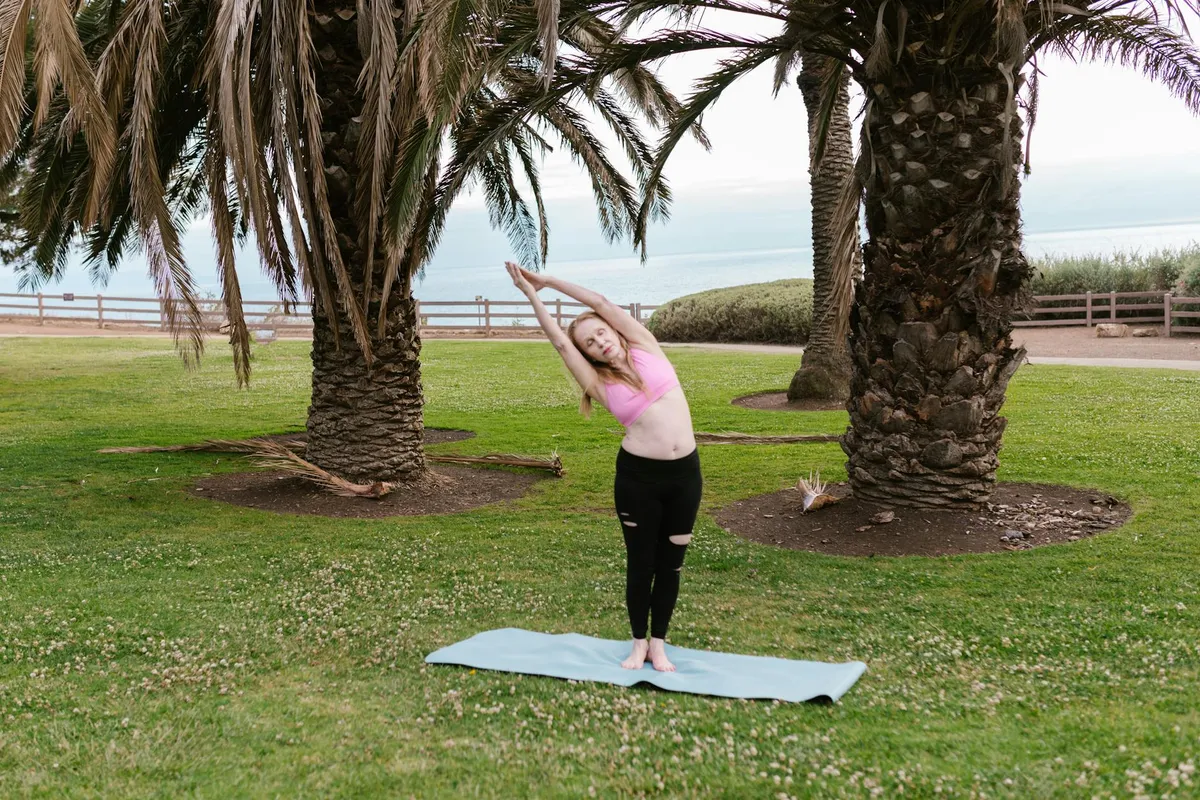
For 100 days I committed to a different approach: 30 minutes of intentional movement every day. Not exercise. Just movement. Could be walking, stretching, yoga, swimming, dancing, gardening, anything that involved my body for 30+ minutes.
Here is what happened.
The setup
Rules:
- 30 minutes of intentional movement every day for 100 days
- Definition of "movement": anything beyond regular daily activity, intentionally chosen
- No "rest days" — even gentle movement on tired days
- Tracked: type of movement, duration, energy 1-5, mood 1-5, body feeling 1-5
Starting baseline:
- Average movement: about 2-3 days per week
- Energy: 3.3/5
- Mood: 3.5/5
- Body feeling (stiffness, ease): 3.0/5
Week 1: easier than expected
The first week was easier than my previous "exercise" attempts because the bar was lower. I did not have to do a "workout." I just had to move.
Day 1: a 30-minute walk after dinner.
Day 2: 20 minutes of yoga + 10 minutes of stretching.
Day 3: 30 minutes of dance to music in my living room (not joking; this counted).
Day 4: 35-minute hike.
Day 5: 30 minutes of gentle yoga.
Day 6: 30-minute walk.
Day 7: 45-minute yoga class.
By the end of week 1, I had moved 7 days in a row. Previously, I would have considered this an excellent training week.
Weeks 2-4: the habit installs
By week 3, the daily movement had become automatic. The decision was no longer "should I exercise" but "what kind of movement today."
I started naturally choosing more vigorous movement on days when I had energy and gentler movement on days when I did not. The body began to direct the choice rather than the schedule directing the body.
Energy: noticeable but moderate improvement (3.5 vs 3.3 baseline).
Mood: notable improvement (3.8 vs 3.5).
Body feeling: substantial improvement (3.6 vs 3.0). Less stiffness, less random aches.
Weeks 5-8: settled into rhythm
The midpoint of the experiment was where the biggest insights came.
I noticed that some movements energized me (vigorous walks, yoga, dancing) while others depleted me (intense gym sessions, running). The specific type mattered more than I had appreciated.
I also noticed that my body could handle more total volume than I had thought, but only if the volume was distributed across many gentle days rather than concentrated in a few intense ones.
This was the opposite of how I had previously approached exercise. The "rest days are essential" framing had been pushing me toward a binary of intense days and inactive days. The "daily gentle movement" approach worked better for me.
Weeks 9-12: lessons emerging
By week 10 I had clear data on what worked:
Most energizing movements:
- 30-45 minute outdoor walks (especially in nature)
- Gentle yoga (45-60 minutes)
- Bodyweight strength routines (15-20 minutes, low intensity)
- Swimming (when available)
Movements that worked but were less energizing:
- Intense gym sessions (felt good during, often depleted after)
- Running (worked physically, did not produce mood lift)
- Long bike rides (good but tiring)
Movements that surprised me by working:
- Dancing in the living room
- Gardening (counts as movement)
- Walking conversations (talking with friends while walking)
- Light household work like sweeping/mopping done deliberately as movement
Weeks 13-14 (the final stretch)
By week 13, the practice was simply part of life. I no longer thought of "should I move today" any more than "should I eat today." Movement had become a default rather than a decision.
End-of-experiment numbers:
- Days of movement: 96 of 100 (missed 4 due to illness/travel)
- Average duration: 38 minutes (often longer than the 30-minute target)
- Energy: 4.0/5 (up from 3.3)
- Mood: 4.1/5 (up from 3.5)
- Body feeling: 4.2/5 (up from 3.0 — biggest improvement)
- Sleep: improved by about 0.5 hours/night on average
What I learned about movement vs exercise
The distinction matters more than I appreciated.
Exercise is structured, often intense, with specific performance goals. It can be great. It often produces guilt and burnout cycles when not sustainable.
Movement is everything else. Walking, stretching, dancing, gardening, yoga, swimming. It is gentler, more sustainable, and produces most of the same benefits without the burnout risk.
For me, the daily movement approach produced better outcomes than my previous attempts at structured exercise — better mood, better energy, better body feeling, and substantially better sustainability.
What this approach is NOT
To be honest about what this experiment did not produce:
- I did not lose significant weight (was not trying to)
- I did not get notably stronger (was not the goal)
- I did not run faster or lift more
- The cardiovascular fitness improvement was modest, not dramatic
If you want serious athletic improvement, you need structured exercise, not just movement. But for general wellness, mood, energy, and longevity, movement seems to do the work.
What I kept
I have continued daily movement for over a year now. Some days are 30 minutes; some are 90. The variety is part of what keeps it sustainable.
I added back some structured exercise (2-3 strength sessions per week) but kept the daily movement floor. The combination produces better outcomes than either alone.
This is not advice
Your body is different. Your situation is different. The point is the methodology — find what kind of movement actually works for you and do it consistently.
If you have current health issues or have been sedentary for a long time, talk to a doctor before starting. Move within your capacity, not against it.
The takeaway
Daily movement is more sustainable and produces better outcomes for most people than the pattern of "intense exercise + rest days + frequent burnout."
If you have a complicated relationship with exercise, try this approach. 30 minutes of intentional movement every day, any kind, for 30 days. You will notice the difference. The compounding effect over months is substantial.