For professionals operating in high-demand fields like SEO, marketing, and agency management, sustained cognitive function and sharp decision-making are not luxuries but fundamental requirements. The quality of your output, your ability to innovate, and your capacity to manage complex projects directly correlate with your ability to achieve restorative sleep. A robust sleep hygiene checklist isn't merely a suggestion for general well-being; it's a strategic tool for enhancing professional performance, mitigating burnout, and maintaining a competitive edge. This isn't about simply spending more hours in bed, but optimizing the conditions and habits surrounding your sleep to maximize its restorative power. Understanding and implementing these practices can translate directly into improved focus during critical data analysis, clearer communication with clients, and more effective strategic planning, making it an essential component of any high-performance routine.
Understanding Sleep Hygiene: More Than Just Bedtime
Sleep hygiene encompasses the range of behavioral and environmental practices that are conducive to sleeping well on a regular basis. It's a holistic approach, recognizing that sleep quality is influenced by far more than just the moment you close your eyes. For professionals, this means acknowledging how daily routines, environmental stimuli, and even pre-sleep mental states directly impact the depth and efficiency of nightly rest. Ignoring these factors often leads to fragmented sleep, difficulty falling asleep, or waking unrefreshed, all of which degrade cognitive function and executive control during waking hours. Effective sleep hygiene is about creating a predictable, supportive framework that primes your body and mind for optimal rest, preventing the accumulation of sleep debt that can impair judgment and creativity.
The Core Pillars of Effective Sleep Hygiene
Implementing a comprehensive sleep hygiene strategy involves addressing several key areas, each contributing to the overall quality and consistency of your sleep. Focus on incremental changes, as consistency outweighs sporadic perfection.
Optimizing Your Sleep Environment
Your bedroom should function as a sanctuary dedicated to rest, free from distractions that signal wakefulness. This environment plays a significant role in triggering the body's natural sleep cues.
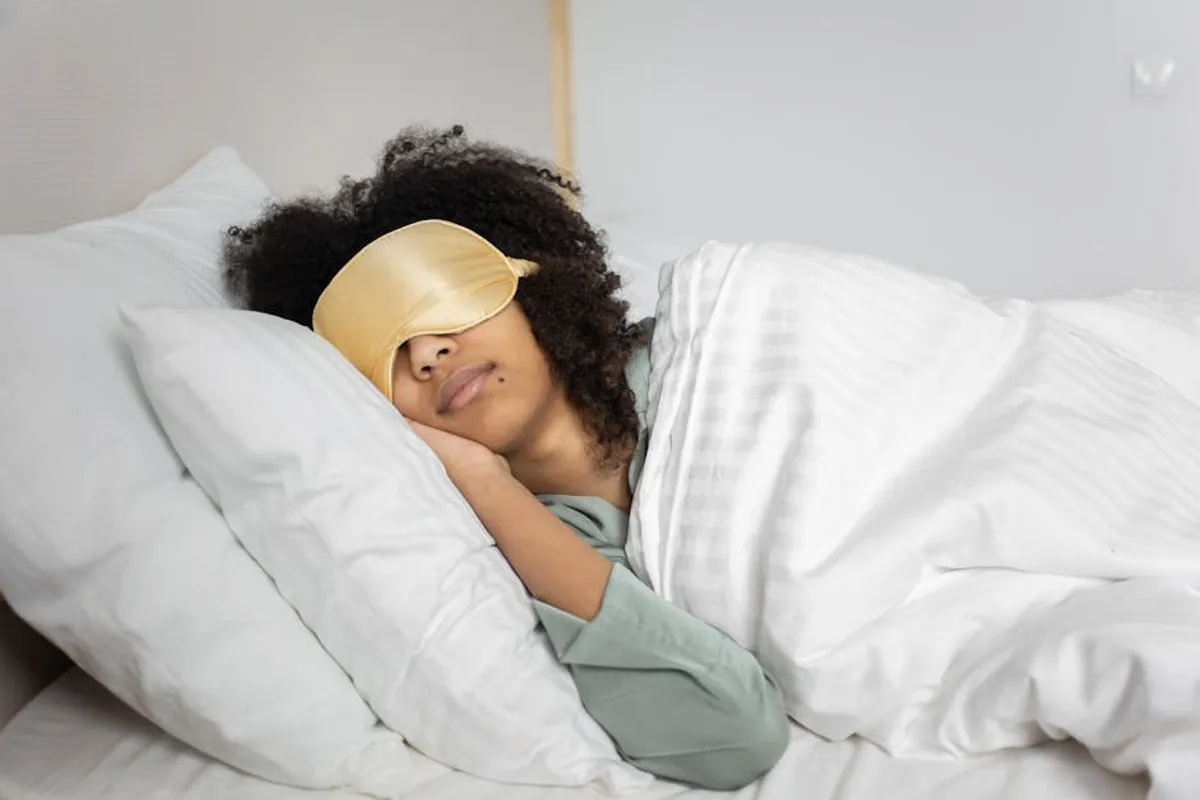
- Darkness: Ensure your room is as dark as possible. Even small amounts of light, particularly blue light from screens or streetlights, can suppress melatonin production, the hormone that regulates sleep. Use blackout curtains or an eye mask to achieve complete darkness.
- Temperature: The ideal sleep temperature for most adults is between 60-67 degrees Fahrenheit (15-19 degrees Celsius). A cooler environment helps initiate and maintain sleep by facilitating the body's natural temperature drop.
- Quiet: Minimize noise distractions. If complete silence isn't possible, consider using earplugs or a white noise machine to mask inconsistent sounds that might disrupt sleep.
- Comfort: Invest in a supportive mattress and pillows. These are long-term investments in your physical comfort and spinal alignment, directly impacting sleep quality and reducing nighttime discomfort.
Establishing a Consistent Sleep Schedule
The human body thrives on routine, especially concerning its circadian rhythm. Maintaining a regular sleep and wake time, even on weekends, reinforces this internal clock, making it easier to fall asleep and wake up naturally.
- Fixed Bedtime and Wake Time: Aim for the same bedtime and wake-up time every day. This consistency helps regulate your body’s sleep-wake cycle, leading to more efficient sleep.
- Avoid "Catch-Up" Sleep: While tempting, sleeping in significantly on weekends can disrupt your circadian rhythm, making it harder to return to your weekday schedule. If you need extra rest, consider a short afternoon nap instead.
Diet, Exercise, and Daytime Habits
What you consume and how you move your body during the day profoundly impacts your ability to sleep at night. These elements influence energy levels, digestion, and physiological arousal.
- Caffeine and Nicotine: Avoid caffeine and nicotine, both stimulants, especially in the late afternoon and evening. Their effects can linger for hours, interfering with sleep onset.
- Alcohol: While alcohol may initially induce drowsiness, it fragments sleep later in the night, reducing REM sleep and overall sleep quality. Limit evening consumption.
- Heavy Meals: Finish large meals several hours before bedtime. Digestion can interfere with sleep, and lying down with a full stomach can lead to discomfort or acid reflux.
- Regular Exercise: Engage in regular physical activity, but time it appropriately. Vigorous exercise too close to bedtime can be stimulating. Aim to finish intense workouts at least 3-4 hours before sleep.
Managing Pre-Sleep Activities
The hour or two before bed is crucial for winding down and signaling to your body that it's time to transition to sleep. This period should be dedicated to relaxation and disengagement from stimulating activities.
- Screen Time: Disconnect from electronic devices (phones, tablets, computers, TVs) at least an hour before bed. The blue light emitted by screens suppresses melatonin and keeps the brain alert.
- Relaxation Rituals: Develop a consistent pre-sleep routine. This could include reading a physical book, taking a warm bath, listening to calming music, or practicing gentle stretches or meditation. These activities signal to your body and mind that it's time to prepare for rest.
- Avoid Stressful Discussions: Steer clear of work-related emails, intense conversations, or problem-solving activities just before bed. These can activate your stress response and make it difficult to quiet your mind.
Pro Tip: Implement a "digital sunset" policy. Designate a specific time each evening (e.g., 9 PM) after which all non-essential screens are turned off or put away. This hard stop helps create a clear boundary between your active day and your wind-down period, significantly reducing blue light exposure and mental stimulation.
Building Your Personalized Sleep Checklist
Translating these principles into a practical, actionable checklist requires personalization. Identify the areas where your current habits deviate most from optimal sleep hygiene and prioritize those changes. A simple, daily checklist can serve as a reminder and a tracking tool:
- Wake up at [Time] every day (including weekends).
- Finish caffeine intake by [Time].
- Avoid alcohol within [Number] hours of bedtime.
- Finish large meals by [Time].
- Complete vigorous exercise by [Time].
- Turn off all screens by [Time].
- Engage in a relaxing pre-sleep activity (e.g., read, bath, meditate).
- Ensure bedroom is dark, cool, and quiet.
- Go to bed by [Time].
Implementing and Adapting Your Routine
Consistency is paramount. It takes time for your body to adjust to new routines, so commit to your sleep hygiene practices for at least a few weeks before evaluating their effectiveness. Track your sleep quality using a journal or a simple app (without becoming obsessive) to identify patterns and pinpoint what works best for you. If certain strategies aren't yielding results, adapt them. For instance, if a warm bath isn't relaxing, try light stretching. The goal is to build a sustainable system that consistently supports restorative sleep, directly impacting your professional efficacy and overall resilience.
Optimizing Your Rest for Peak Performance
Adopting a rigorous sleep hygiene checklist is not an act of self-indulgence; it is a strategic investment in your professional capacity and personal well-being. By systematically addressing environmental factors, daily habits, and pre-sleep routines, you cultivate the conditions necessary for consistent, high-quality rest. This translates directly into enhanced cognitive function, improved decision-making, greater emotional regulation, and sustained productivity—all critical assets in competitive professional landscapes. Prioritize these practices not just for better sleep, but for a tangible uplift in your daily performance and long-term career resilience. Prioritize these practices not just for better sleep, but for a tangible improvement that you can achieve through natural ways to improve sleep hygiene.
Frequently Asked Questions About Sleep Hygiene
Q: How long does it take for sleep hygiene practices to make a difference?
A: While some individuals may notice improvements within a few days, it typically takes 2-4 weeks of consistent practice for your body's circadian rhythm to fully adjust and for you to experience the full benefits of improved sleep hygiene. Patience and persistence are key.
Q: Can napping affect my nighttime sleep hygiene?
A: Yes, napping can impact nighttime sleep. Short power naps (20-30 minutes) in the early afternoon generally don't interfere with night sleep and can improve alertness. However, longer naps or naps taken late in the day can make it harder to fall asleep at night, disrupting your consistent schedule.
Q: Is it okay to occasionally break my sleep hygiene routine?
A: Occasional deviations, such as staying up late for a special event, are unlikely to derail your entire routine. The key is to return to your established schedule as quickly as possible. Frequent or significant breaks, however, can disrupt your circadian rhythm and undermine the benefits of consistent sleep hygiene.
Q: What if I follow all the advice but still struggle with sleep?
A: If you consistently implement strong sleep hygiene practices and still experience significant difficulty falling asleep, staying asleep, or feeling rested, it's advisable to consult with a healthcare professional. Underlying medical conditions such as sleep apnea, restless legs syndrome, or chronic insomnia may require specific diagnosis and treatment beyond general hygiene practices.