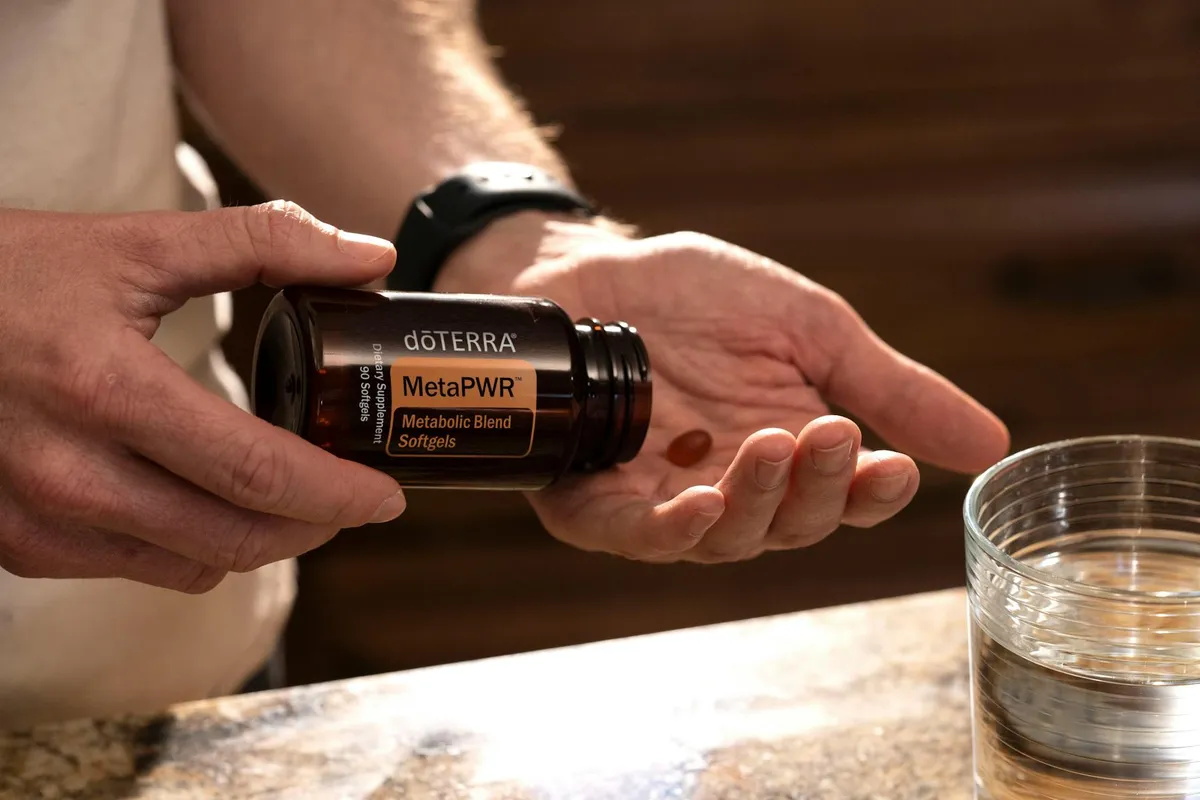
Wellness supplements are everywhere. The marketing suggests dramatic benefits. The skeptics suggest nothing works. The truth is in between, and varies by supplement and individual.
Over the past year I tested five popular wellness supplements, taking each for 90 days at recommended doses with consistent tracking. None of these were sponsored. I bought them all. Here is the honest report.
The setup
For each supplement:
- 90 days of consistent daily intake at recommended dose
- Same brand throughout (avoiding mid-experiment brand switches)
- Tracked: energy 1-5, mood 1-5, sleep quality 1-5, plus specific supplement-relevant notes
- 2-week washout between supplements
1. Magnesium Glycinate (400mg before bed)
What it claims to do: Improve sleep, reduce muscle tension, support nervous system function.
What I noticed:
- Sleep felt slightly deeper, though hard to objectively measure
- Less muscle tension in shoulders
- Mild improvement in falling asleep speed
Cost: About $0.20/dose, $6/month.
Verdict: Worth continuing. Cheap, mild positive effects, no negatives. Modest but real benefit.
2. Vitamin D3 + K2 (5000 IU D3, 100mcg K2 daily)
What it claims to do: Support bone health, immune function, mood, and various other functions. Particularly important in low-sun regions or for people with limited sun exposure.
What I noticed:
- Notable improvement in winter mood compared to baseline
- Energy felt more even
- Got blood test confirming vitamin D level moved into healthy range from previously low
Cost: About $0.15/dose, $4.50/month.
Verdict: Worth continuing, especially in winter months. Get blood test first to confirm you actually need it. If your vitamin D is normal, supplementation is unnecessary.
3. Omega-3 Fish Oil (2g EPA+DHA daily)
What it claims to do: Support cardiovascular health, brain function, reduce inflammation.
What I noticed:
- Subtle but real reduction in joint stiffness
- Slightly improved skin (less dryness)
- Mood and cognition: unclear, possibly placebo
- The fish burps were real and mildly unpleasant
Cost: About $0.50/dose, $15/month.
Verdict: Continue if you do not eat fatty fish 2-3x weekly. The research support is reasonable. Skip if you eat salmon, sardines, or mackerel regularly.
4. Ashwagandha (600mg KSM-66 daily)
What it claims to do: Reduce stress, support adrenal function, improve sleep quality.
What I noticed:
- Modest reduction in baseline stress
- Slightly improved sleep quality
- Felt slightly "flatter" emotionally — both peaks and valleys reduced
- The "flatter" effect was not entirely positive
Cost: About $0.40/dose, $12/month.
Verdict: Mixed. The stress reduction was real but the emotional flattening was not what I wanted. Stopped taking after experiment ended. Would consider for high-stress periods only.
5. L-Theanine (200mg morning, with coffee)
What it claims to do: Smooth caffeine effects, improve focus, reduce jitteriness from stimulants.
What I noticed:
- Coffee felt smoother — less of the jagged "wired" feeling
- Focus felt more sustained, less "edge"
- The crash from coffee was less pronounced
- Without coffee, no obvious effect
Cost: About $0.10/dose, $3/month.
Verdict: Worth continuing IF you drink coffee. Cheap and produces a subtle but real improvement in coffee experience. Skip if you do not drink caffeine.
The supplements that did NOT work for me
Things I tried during this period that I did not include in the formal experiment because the effects were minimal or zero:
- Adaptogens (rhodiola, maca, etc.). Either too subtle to detect or no effect.
- CBD oil. No noticeable effects on stress or sleep.
- Collagen peptides. Hair, skin, nails: no noticeable change.
- Probiotics (general). No noticeable digestive or other changes. Probably need specific strains for specific issues.
- "Greens powders." Expensive vegetable substitutes. Just eat vegetables.
What I learned about supplements generally
1. Most supplements have modest effects at best. Even the ones that work produce small improvements, not transformations.
2. Cost-benefit analysis matters. A modest benefit at $5/month is different from a modest benefit at $50/month. The cheap supplements are easier to justify.
3. Marketing-to-evidence ratio is informative. Heavily marketed supplements (greens powders, expensive proprietary blends) often have weaker evidence than basic supplements (magnesium, vitamin D).
4. Test individually. Stacking multiple supplements obscures what is doing what.
5. Get blood tests first. If you might be deficient in something (vitamin D, B12, iron), test before supplementing. Supplementation when you do not need it is wasted money.
What I currently take daily
The supplements that survived testing:
- Magnesium glycinate before bed
- Vitamin D3+K2 (winter months)
- Fish oil (when not eating fish that week)
- L-theanine with morning coffee
Total monthly cost: about $25.
This is dramatically less than I was spending before this experiment. The "more is better" supplement approach gives way to "few but effective" once you actually test.
This is not advice
Supplements affect different people differently. Some have genuine medical interactions. Some are dangerous in combination with medications. Talk to a doctor before starting supplements, especially if you take prescription medications.
Also: supplements are not regulated like medications. Brand quality matters. Stick with reputable brands that do third-party testing.
The takeaway
Most wellness supplements have modest effects at most. A few are worth taking. Most are not.
The methodology that works: test individual supplements for adequate duration, track effects honestly, keep what works, stop what does not. The "expensive proprietary blend" approach mostly produces expensive urine.
If you want to test supplements, start with the basics that have research support (magnesium, vitamin D if deficient, fish oil if not eating fish). Skip the trendy ones until you have actually tested the boring ones.