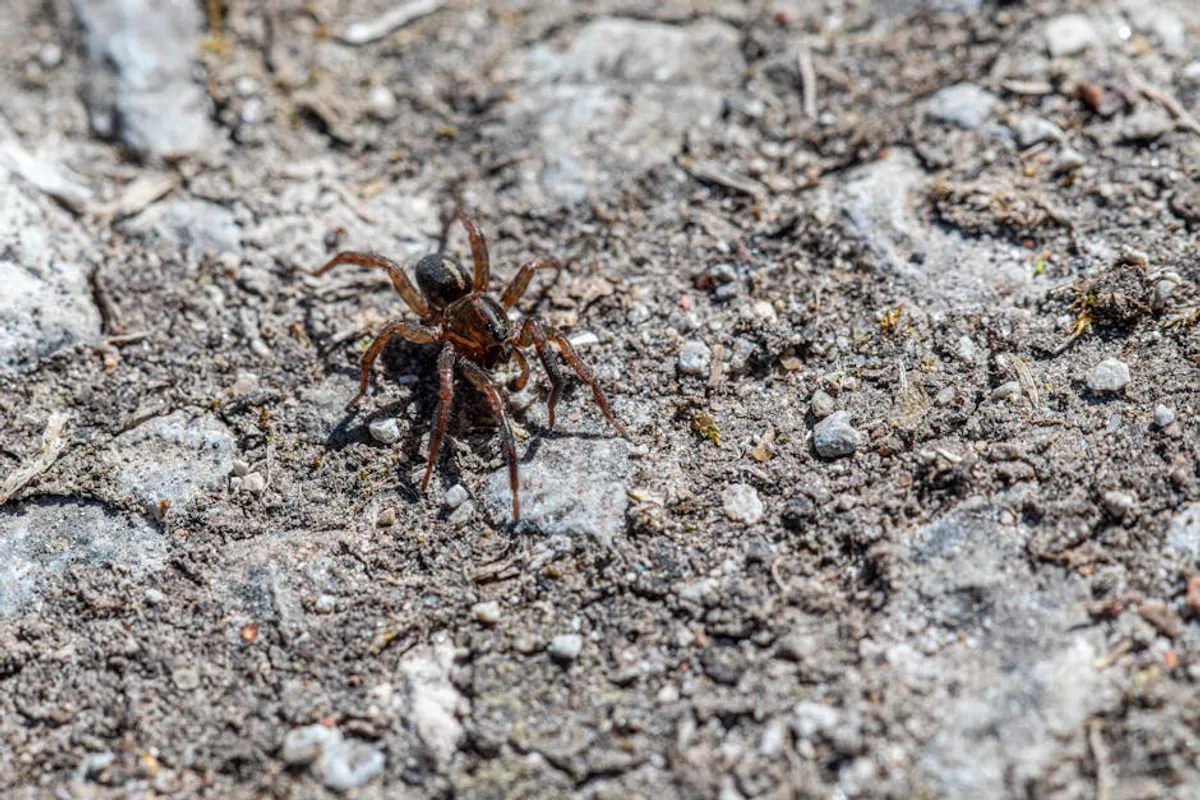
Understanding the specific symptoms associated with a wolf spider bite is crucial for accurate identification and appropriate response. While often mistaken for more venomous spider bites, wolf spider bites typically present with distinct characteristics that, once recognized, can alleviate unnecessary alarm and guide effective first aid. This clarity is essential for anyone encountering a suspected bite, ensuring that mild reactions are managed at home and more serious, though rare, complications prompt timely medical evaluation. This clarity is essential for anyone encountering a suspected bite, ensuring that mild reactions are managed at home and more serious, though rare, complications prompt timely medical evaluation.
Identifying the Wolf Spider and Its Bite
Wolf spiders (family Lycosidae) are common, fast-moving arachnids found across various habitats. They are not aggressive but will bite if provoked or trapped against skin. Their venom is not considered medically significant to humans, meaning it rarely causes severe systemic reactions. The primary concern with a wolf spider bite is local irritation and the potential for secondary infection, rather than venom toxicity.
Immediate Bite Characteristics
Upon being bitten, individuals typically experience an immediate, sharp, localized pain, comparable to a bee or wasp sting. This initial sensation is often the most intense symptom. Within minutes, the bite area will begin to show visible changes:
- Pain: Sharp, localized, and immediate, often subsiding to a dull ache within an hour.
- Redness (Erythema): The skin around the bite site quickly becomes red, forming a small, inflamed patch.
- Swelling (Edema): Mild to moderate swelling develops at the bite location, usually confined to a small area around the puncture marks.
- Puncture Marks: While not always clearly visible, two small fang marks may be discernible at the center of the red area. These are often very close together.
Evolving Symptoms Over Time
Over the next few hours to a day, the initial symptoms may progress or change slightly. The localized reaction remains the primary indicator:
- Itching: The bite site often becomes intensely itchy, which can lead to scratching and potential secondary infection if not managed.
- Warmth: The affected skin area may feel warm to the touch due to inflammation.
- Small Bump or Nodule: A raised, firm bump or nodule, similar to a mosquito bite but often more persistent, may form. This typically resolves within a few days.
- Blistering (Rare): In very rare instances, a small, non-necrotic blister might form at the bite site. This is not typical and should prompt monitoring for infection.
Pro Tip: While wolf spider bites are generally benign, attributing any unidentified bite to a wolf spider without clear evidence can be risky. Always observe the bite's progression carefully. If symptoms worsen unexpectedly, spread rapidly, or involve systemic reactions, seek medical attention promptly. Self-diagnosis can delay appropriate treatment for more serious conditions.
Distinguishing Wolf Spider Bites from Other Concerns
Differentiating a wolf spider bite from other insect bites or more serious spider bites (like those from a brown recluse or black widow) is critical. Wolf spider bites do not typically cause:
- Necrotic Lesions: Unlike brown recluse bites, wolf spider bites do not lead to tissue death or open, ulcerating wounds.
- Systemic Symptoms: Systemic reactions such as fever, chills, nausea, muscle cramps, severe abdominal pain, or widespread rash are not characteristic of wolf spider venom. If these symptoms occur, a different cause or a severe allergic reaction should be suspected.
- Target Lesions: The characteristic "bull's-eye" or target lesion associated with Lyme disease (from a tick bite) is not seen with wolf spider bites.
- Significant Lymph Node Swelling: While local lymph nodes might be slightly tender, significant, painful swelling of distant lymph nodes is uncommon.
When to Seek Medical Care
Although wolf spider bites are rarely dangerous, certain circumstances warrant medical consultation:
- Signs of Infection: Increasing redness, warmth, swelling, pus drainage, or streaks extending from the bite site.
- Worsening Pain: Pain that intensifies significantly rather than subsiding.
- Allergic Reaction: Hives, difficulty breathing, dizziness, or swelling of the face or throat (though rare for wolf spider venom).
- Systemic Symptoms: Fever, chills, body aches, nausea, or headache.
- Bite on a Child or Immunocompromised Individual: These populations may be more susceptible to complications or secondary infections.
- Uncertainty: If you are unsure what bit you, or if the bite's appearance is unusual or rapidly changing.
First Aid Protocols for Wolf Spider Bites
For typical wolf spider bites, immediate first aid focuses on managing local symptoms and preventing infection:
- Clean the Area: Wash the bite site thoroughly with mild soap and water to remove any contaminants and reduce the risk of infection.
- Apply a Cold Compress: Place a cold pack or ice wrapped in a cloth on the bite for 10-20 minutes at a time, several times a day. This helps reduce swelling and pain.
- Elevate the Limb: If the bite is on an arm or leg, elevating it above heart level can help minimize swelling.
- Pain Relief: Over-the-counter pain relievers like ibuprofen or acetaminophen can help manage discomfort.
- Anti-itch Cream: Hydrocortisone cream or an oral antihistamine can alleviate itching. Avoid excessive scratching to prevent skin breakdown and infection.
- Monitor for Infection: Keep a close eye on the bite for any signs of worsening infection, as described above.
Managing Recovery and Preventing Future Bites
Most wolf spider bites resolve completely within a few days to a week with basic first aid. The key is to keep the area clean and avoid scratching. To prevent future encounters:
- Shake out shoes and clothing before wearing them, especially if stored in dark areas.
- Wear gloves when gardening or working in areas where spiders might hide.
- Seal cracks and openings in your home's foundation, windows, and doors to prevent entry.
- Reduce clutter in basements, attics, and garages, as these provide ideal hiding spots.
- Use screens on windows and doors.
Frequently Asked Questions
What does a wolf spider bite look like initially?
A wolf spider bite typically appears as a small, red, swollen bump with two tiny puncture marks at the center, often accompanied by immediate, sharp localized pain.
Are wolf spider bites dangerous to humans?
No, wolf spider bites are generally not dangerous to humans. Their venom is mild, causing only localized symptoms like pain, redness, and swelling. Serious systemic reactions are extremely rare.
How long do wolf spider bite symptoms last?
Most wolf spider bite symptoms resolve within a few days to a week with proper first aid, such as cleaning the wound and applying a cold compress. Itching and minor swelling may persist for a few days.
When should I worry about a wolf spider bite?
You should seek medical attention if the bite shows signs of infection (increasing redness, pus, fever), if swelling or pain worsens significantly, or if you experience any systemic symptoms like body aches or difficulty breathing, which are not typical for a wolf spider bite.