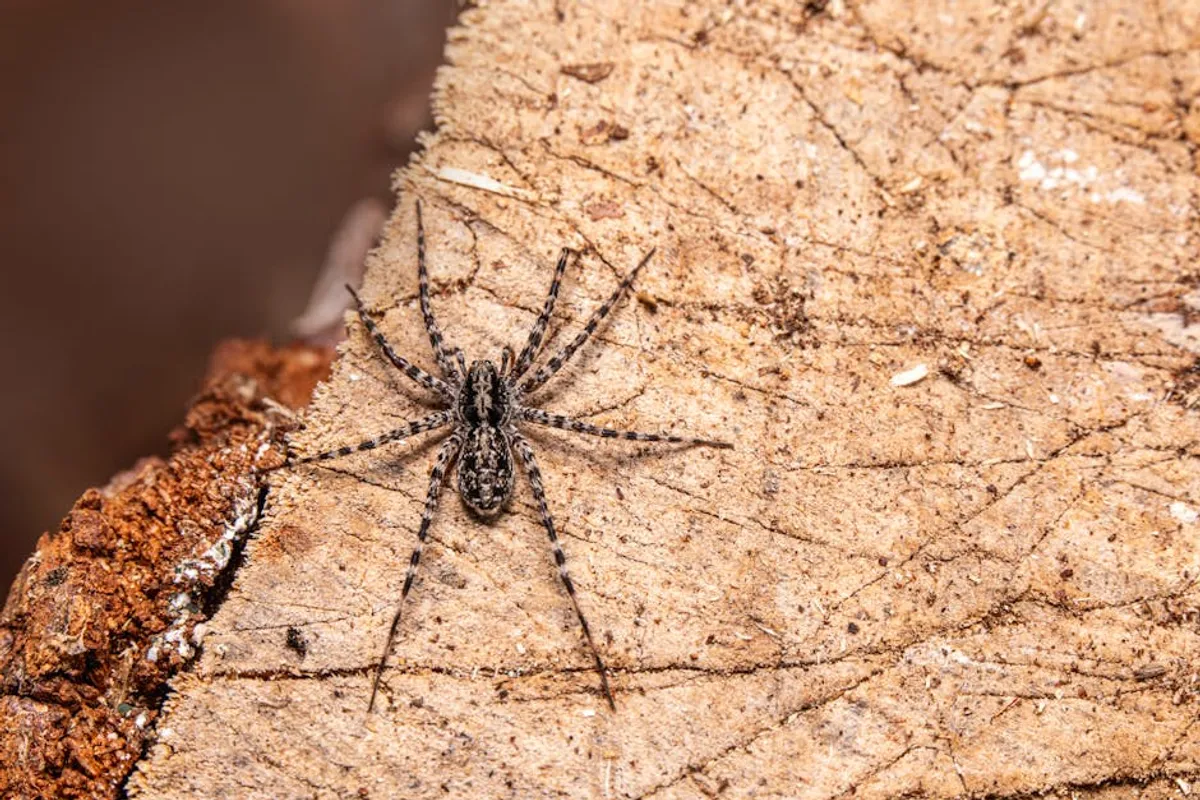
A wolf spider bite, while typically not dangerous, can cause discomfort and concern. Understanding the immediate steps for home treatment is crucial for managing symptoms effectively and knowing when professional medical attention becomes necessary. This guide focuses on identifying common wolf spider bite characteristics and outlines practical, accessible home care strategies to alleviate symptoms and prevent complications, helping you make informed decisions about your health response.
Identifying a Wolf Spider Bite
Wolf spiders are not aggressive, but they will bite if they feel threatened or are accidentally pressed against skin. Their bites are usually defensive, and while venomous, the venom is not considered medically significant to humans. The bite itself often feels like a sharp pinprick, similar to a bee sting.
Common Symptoms
The immediate reaction to a wolf spider bite typically involves localized symptoms at the bite site. These can manifest within minutes to a few hours:
- Pain: Mild to moderate localized pain, often described as a stinging or burning sensation.
- Redness: The area around the bite may become red and inflamed.
- Swelling: Localized swelling is common, usually confined to the immediate vicinity of the bite.
- Itching: An itchy sensation can develop around the bite, similar to an insect bite.
- Small Bump: A raised, red bump or a small pustule might form at the center of the bite.
- Warmth: The affected skin might feel warm to the touch.
Unlike some other spider bites, wolf spider bites rarely cause necrosis (tissue death) or systemic reactions. Symptoms generally remain localized and resolve within a few days to a week.
When to Seek Medical Attention
While most wolf spider bites can be managed at home, certain symptoms warrant immediate medical evaluation. Understanding these indicators is vital for preventing complications:
- Severe or Worsening Pain: If pain intensifies significantly or spreads beyond the initial bite area.
- Spreading Redness or Swelling: If the redness or swelling expands rapidly or covers a large area.
- Signs of Infection: Pus drainage, increasing warmth, fever, or red streaks extending from the bite site indicate a potential bacterial infection requiring antibiotics.
- Allergic Reaction: Hives, difficulty breathing, dizziness, facial swelling, or a rapid pulse are signs of a severe allergic reaction (anaphylaxis), which is a medical emergency.
- Open Sore or Ulcer: While rare for wolf spider bites, any developing open wound or ulceration should be examined by a doctor.
- Systemic Symptoms: Nausea, vomiting, muscle cramps, or general body aches, though uncommon, should prompt a medical visit.
Always consult a medical professional if you are unsure about the type of spider that bit you, especially if you live in an area where more dangerous spiders are common.
Immediate First Aid for Wolf Spider Bites
Prompt and appropriate first aid can significantly reduce discomfort and minimize the risk of secondary issues from a wolf spider bite.
Step 1: Clean the Area
Immediately wash the bite site thoroughly with mild soap and water. This helps remove any surface contaminants and reduces the risk of bacterial infection. Pat the area dry gently with a clean cloth.
Step 2: Apply a Cold Compress
Place a cold pack or a cloth-wrapped bag of ice on the bite for 10-20 minutes at a time, several times a day. Cold application constricts blood vessels, which helps to reduce swelling and inflammation, and can also numb the area to alleviate pain.
Step 3: Elevate the Affected Limb
If the bite is on an arm or leg, elevate the limb above heart level. This aids in reducing swelling by promoting fluid drainage away from the bite site.
Over-the-Counter Treatments for Symptom Relief
Once initial first aid is applied, over-the-counter (OTC) medications can help manage the common symptoms of pain, itching, and inflammation.
Pain Relievers:
Non-steroidal anti-inflammatory drugs (NSAIDs) such as ibuprofen or naproxen can effectively reduce pain and inflammation. Acetaminophen can also be used for pain relief, though it does not address inflammation directly. Follow dosage instructions carefully.
Antihistamines:
Oral antihistamines, like diphenhydramine or loratadine, can help alleviate itching and reduce localized swelling, particularly if an allergic component is present. These work by blocking histamine, a chemical released by the body during allergic reactions. Non-drowsy options are available for daytime use.
Topical Creams:
Pro Tip: Resist the urge to scratch a wolf spider bite. Scratching can break the skin, introducing bacteria and significantly increasing the risk of a secondary bacterial infection, which can lead to more severe symptoms and prolonged healing.
Hydrocortisone cream (1%) can be applied to the bite site to reduce itching and inflammation. Calamine lotion can also provide soothing relief for itching. Apply these sparingly and according to product directions. Avoid applying multiple topical treatments simultaneously without consulting a healthcare provider.
Monitoring the Bite for Complications
Consistent monitoring of the bite area is essential for early detection of any complications. While wolf spider bites typically heal without issue, secondary infections or unusual reactions can occur.
Regularly inspect the bite for changes in size, color, or texture. Note any new symptoms such as increased pain, warmth, or the development of pus. Trace the perimeter of any redness with a pen at least once daily to easily track if it is spreading. If you observe any red streaks emanating from the bite, this could indicate cellulitis, a bacterial skin infection that requires prompt medical attention. Pay close attention to your general health; any signs of fever, chills, or enlarged lymph nodes in the vicinity of the bite should also prompt a medical consultation.
Preventing Future Bites
Taking preventative measures can significantly reduce the likelihood of future wolf spider encounters and bites, especially if you live in an area where they are common.
- Seal Entry Points: Inspect your home for cracks in foundations, gaps around windows and doors, and openings where utility lines enter. Seal these with caulk or weatherstripping to block spider access.
- Reduce Clutter: Wolf spiders prefer dark, secluded areas. Keep basements, attics, garages, and storage areas tidy and free of excessive clutter, which provides hiding spots.
- Outdoor Maintenance: Trim vegetation, especially bushes and vines, away from your home's foundation. Clear leaf litter, woodpiles, and rocks near entryways, as these are common habitats for wolf spiders.
- Protective Clothing: When working outdoors in areas where spiders might be present (e.g., gardening, cleaning out sheds), wear long sleeves, gloves, and closed-toe shoes to minimize skin exposure.
- Shake Out Items: Before putting on clothes or shoes stored in dark places, shake them out to dislodge any lurking spiders.
Practical Self-Care for Bite Management
Managing a wolf spider bite at home involves a combination of immediate first aid, symptom relief, and diligent monitoring. The primary goal is to keep the bite clean, reduce inflammation, and alleviate discomfort while watching for any signs that might indicate a need for professional medical intervention. Remember that while these steps are effective for typical wolf spider bites, individual reactions can vary. Prioritize cleanliness, cold application, and elevation in the initial hours. Use OTC medications as directed for ongoing symptom management. Should symptoms worsen, spread, or if you develop any systemic reactions, seeking medical advice promptly is the most responsible course of action to ensure proper diagnosis and treatment.
Frequently Asked Questions
How long does a wolf spider bite typically last?
Most wolf spider bites resolve within a few days to a week. Localized pain, redness, and swelling usually subside within 24-48 hours, with itching potentially lingering for a few more days.
Can a wolf spider bite cause a serious infection?
While the bite itself is not usually serious, scratching the bite can break the skin and introduce bacteria, leading to a secondary bacterial infection. Signs of infection include increasing redness, warmth, swelling, pus, or fever.
Is it necessary to identify the spider that bit me?
Identifying the spider can be helpful for medical professionals, especially if symptoms are unusual or severe. However, for typical wolf spider bites with mild, localized symptoms, identification is less critical than proper first aid and monitoring.
When should I go to the emergency room for a spider bite?
Seek emergency medical care if you experience signs of a severe allergic reaction, such as difficulty breathing, facial swelling, widespread hives, dizziness, or a rapid heart rate. Also, if the bite develops into an open sore, shows signs of a spreading infection, or causes severe systemic symptoms, consult a doctor immediately.