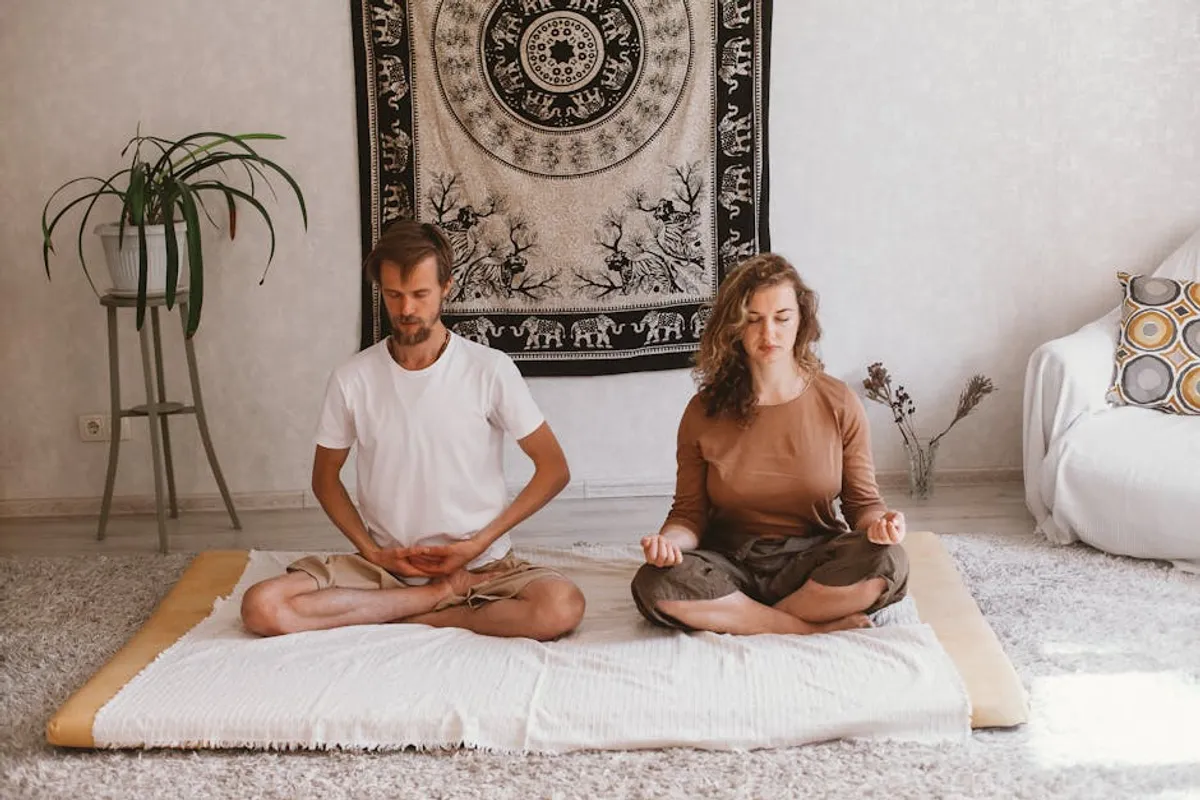
In high-pressure professional environments, the ability to maintain composure and clarity directly impacts decision-making, productivity, and overall well-being. While external strategies often focus on time management or task prioritization, an internal, accessible tool for immediate self-regulation frequently goes overlooked: breathwork. Far from a niche practice, intentional breathing offers a direct physiological pathway to shift the nervous system from a state of stress to one of calm, enhancing cognitive function and emotional resilience. This foundational understanding equips professionals with actionable techniques to navigate daily challenges with greater presence and effectiveness, offering a tangible return on a minimal time investment. Beyond breathwork, exploring meditation and relaxation techniques can further enhance your capacity for calm and focus.
Understanding Breathwork's Physiological Impact
The efficacy of breathwork stems from its direct interaction with the autonomic nervous system, specifically influencing the balance between its sympathetic ("fight or flight") and parasympathetic ("rest and digest") branches. Rapid, shallow breathing, common during stress, activates the sympathetic system, increasing heart rate, blood pressure, and muscle tension. Conversely, slow, deep, and rhythmic breathing stimulates the vagus nerve, a key component of the parasympathetic system. This activation lowers heart rate, promotes relaxation, and improves oxygen exchange, signaling to the brain that the body is safe and can return to a state of equilibrium. Understanding this mechanism provides a concrete basis for why specific breathing patterns yield predictable calming effects.
Foundational Breathwork Techniques for Stress Reduction
Diaphragmatic Breathing (Belly Breathing)
This technique emphasizes engaging the diaphragm, a large muscle located at the base of the lungs, rather than relying on shallow chest breaths. Diaphragmatic breathing is fundamental because it maximizes lung capacity and stimulates the vagus nerve more effectively than thoracic breathing.
How to practice: Lie down or sit comfortably. Place one hand on your chest and the other on your abdomen, just below your ribs. Inhale slowly through your nose, allowing your abdomen to rise. Your chest should remain relatively still. Exhale slowly through pursed lips, feeling your abdomen gently fall. Aim for a smooth, continuous breath, focusing on the expansion and contraction of your belly.
Best for: Establishing a baseline of calm, reducing general anxiety, and improving oxygenation. It's an excellent starting point for anyone new to breathwork.
4-7-8 Breathing Technique
Developed by Dr. Andrew Weil, the 4-7-8 technique is a powerful physiological tranquilizer, specifically designed to calm the nervous system quickly. Its effectiveness lies in the precise timing of inhalation, breath retention, and exhalation, which maximizes carbon dioxide buildup and subsequent parasympathetic activation.
How to practice: Sit with a straight back. Place the tip of your tongue against the ridge of tissue just behind your upper front teeth, and keep it there throughout the entire breathing process. Exhale completely through your mouth, making a "whoosh" sound. Close your mouth and inhale quietly through your nose to a mental count of four. Hold your breath for a count of seven. Exhale completely through your mouth, making a "whoosh" sound, to a count of eight. This completes one breath. Repeat the cycle three more times for a total of four breaths.
Best for: Rapidly reducing acute stress, managing anxiety attacks, and preparing for sleep. Its structured count provides a strong mental anchor.
Box Breathing (Tactical Breathing)
Box breathing, also known as four-square breathing, is a simple yet potent technique used by military and first responders to maintain focus and calm under extreme pressure. It involves equal phases of inhalation, breath-holding, exhalation, and another breath-hold, creating a balanced, rhythmic cycle.
How to practice: Find a comfortable seated position. Exhale completely, pushing all the air out of your lungs. Inhale slowly through your nose for a count of four. Hold your breath for a count of four. Exhale slowly through your mouth for a count of four. Hold your breath (lungs empty) for a count of four. Repeat this cycle for several minutes, focusing on the evenness of each phase.
Best for: Enhancing focus, reducing performance anxiety, and maintaining composure during high-stakes situations or demanding cognitive tasks. The equal intervals promote mental clarity and stability.
Coherent Breathing (Resonance Breathing)
Coherent breathing aims to synchronize heart rate variability with breath rate, typically at a rhythm of approximately five to six breaths per minute. This specific frequency is known to optimize cardiovascular function and induce a profound state of calm and mental coherence.
How to practice: Inhale slowly and smoothly through your nose for a count of five to six seconds, allowing your abdomen to expand. Exhale slowly and smoothly through your nose for a count of five to six seconds, allowing your abdomen to gently contract. Maintain this consistent, unforced rhythm for 10-20 minutes. There is no breath hold in this technique; it’s a continuous, flowing cycle.
Best for: Sustained calm, improving emotional regulation, and fostering a sense of inner balance over longer periods. It's particularly effective for reducing chronic stress and improving overall well-being with regular practice.
Practical Integration: Weaving Calm into Your Day
For breathwork to be commercially useful, it must be integrated into daily routines without requiring significant time commitments or specialized equipment. The goal is to make these techniques accessible during moments of need, not just during dedicated meditation sessions.
Micro-Breaks and Scheduled Sessions
Incorporate short breathwork intervals throughout the workday. A 2-minute session of Box Breathing before a critical meeting or a 5-minute session of Diaphragmatic Breathing during a lunch break can reset focus and reduce accumulated tension. Schedule these as you would any other important task to ensure consistency. Dedicated 10-15 minute sessions, perhaps first thing in the morning or before bed, can establish a stronger baseline of calm.
Using Triggers for Mindful Breathing
Identify common triggers that precede stress or distraction, and consciously pair them with a breathwork technique. For example, before opening your email inbox, take three deep diaphragmatic breaths. When the phone rings, take a slow 4-7-8 breath before answering. These small, consistent actions build a habit of self-regulation.
Pro Tip: Avoid forcing your breath. While structured techniques provide guidance, the essence of breathwork for calm is gentle control, not strenuous effort. If you feel lightheaded, slow down or pause. Consistency with gentle practice yields greater long-term benefits than occasional, intense sessions.
Beyond Basic Calm: Enhanced Focus and Decision-Making
The immediate benefit of breathwork is calm, but its utility extends further for professionals. A regulated nervous system provides a clearer mental landscape, directly impacting cognitive functions. Reduced physiological arousal means less mental noise, allowing for sharper focus, improved problem-solving capabilities, and more rational decision-making, even under pressure. This translates to enhanced performance and reduced susceptibility to burnout, making breathwork a strategic asset for sustained professional output.
Sustaining Your Practice for Ongoing Resilience
Implementing breathwork as a consistent practice requires discipline, but the cumulative benefits in terms of mental clarity, emotional stability, and physical well-being are substantial. Start with one technique that resonates most, practice it daily for a week, and then gradually explore others. Observe the subtle shifts in your response to stress, your ability to concentrate, and your overall mood. This empirical feedback reinforces the value of the practice, making it an indispensable part of your self-management toolkit. Regular engagement cultivates not just momentary calm, but enduring resilience against the demands of a fast-paced professional life.
Frequently Asked Questions
How quickly can I expect to feel results from breathwork?
Many individuals report an immediate sense of calm and reduced anxiety after just a few minutes of practicing techniques like 4-7-8 or Box Breathing. Consistent daily practice, however, leads to more profound and lasting changes in stress response and overall well-being.
Do I need special equipment or a quiet space for breathwork?
No, breathwork requires no special equipment. While a quiet space can enhance focus, many techniques can be practiced discreetly in various environments—at your desk, in a meeting, or during a commute—making them highly adaptable to a busy schedule.
Can breathwork replace other stress management techniques or therapy?
Breathwork is a powerful complementary tool for stress management and can significantly enhance the effects of other practices like mindfulness or exercise. It is not a substitute for professional medical advice or therapy, especially for severe anxiety or mental health conditions, but it can be a valuable addition to a holistic approach.
What is the ideal duration for a breathwork session?
Even short sessions of 2-5 minutes can be highly effective for immediate stress reduction. For deeper benefits and to cultivate sustained calm, aim for 10-20 minutes of consistent practice daily. The key is regularity, not just duration.